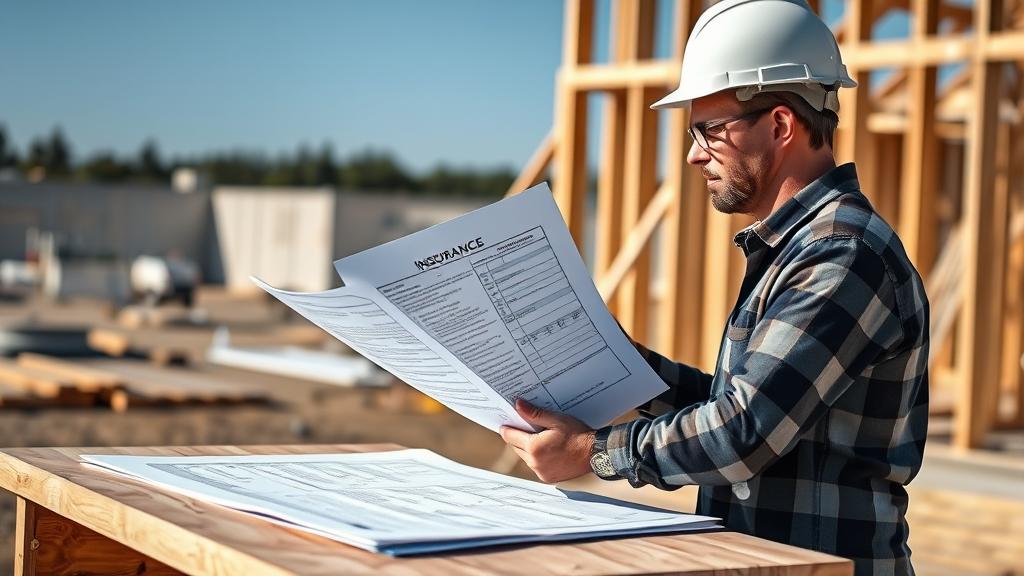
# Barndominium Builders Risk Insurance: What You Need Before the First Post Goes In
You've ordered the steel kit. The foundation is poured or being poured. The truck is coming next week with $60,000 in panels, purlins, and hardware. And your current homeowners policy — if you have one — doesn't cover a single dollar of it.
Builders risk insurance is the coverage designed for exactly this phase of your project. It protects your barndominium from the moment the first materials arrive on site until the day you take occupancy of your completed home. Without it, you're carrying all the financial risk of a major construction project yourself.
What Is Builders Risk Insurance?
Builders risk (also called "course of construction" insurance) is a temporary property policy that covers a building under construction. It's not homeowners insurance — you can't carry a homeowners policy on a home that doesn't exist yet. Builders risk fills the gap from construction start to completion.
For a barndominium, builders risk is particularly critical because:
- Steel building kit materials are high-value and often stored on-site for weeks before erection
- Rural construction sites are frequently unmanned overnight and vulnerable to theft and vandalism
- Metal construction has specific vulnerabilities during the erection phase (partially framed steel is vulnerable to wind before it's braced and enclosed)
- Construction loans require it — lenders will not close a construction loan without builders risk coverage naming them as additional insured
What Builders Risk Covers for a Barndo Build
The steel structure as it's being built. The policy value typically equals the completed construction cost — $200,000 to $800,000+ depending on your barndo. Coverage attaches to the structure from the first materials on site and increases in value as construction progresses.
Materials on-site. This is critical for barndominiums. A steel building kit arrives in a significant delivery — sometimes $50,000–$120,000 in materials on flatbed trucks. These panels, columns, endwalls, and hardware need to be covered while they're sitting on the ground waiting for erection. Standard homeowners or farm policies don't cover materials at a construction site where you don't yet reside.
Materials in transit. Building materials can be covered while being transported from the supplier or lumber yard to your site.
Temporary structures. Scaffolding, form work, temporary weather enclosures during construction.
Named perils: Fire, lightning, windstorm, hail, theft, vandalism, explosion, aircraft and vehicle damage, water damage from non-flood sources.
Barndo-Specific Construction Risks
Steel Kit Delivery and Storage
The most expensive single delivery event in a barndo build is the steel kit. A complete engineered steel building kit — primary frame, secondary members, panels, trim, hardware — can represent $40,000–$120,000+ in a single shipment.
Once those materials are on your rural site, they need to be protected. Theft of metal building materials — especially copper electrical components, aluminum trim, and anything with scrap metal value — has increased significantly. A rural site that's empty at night is a theft target. Builders risk covers this theft exposure from the day of delivery.
The Erection Phase: Highest Structural Risk
Once erection begins — columns set, frames erected, purlins attached — the structure is taking shape but is still highly vulnerable to wind. A partially erected steel frame, before the wall panels and X-bracing are installed, can be more vulnerable to lateral loads than a completed, fully braced building.
A severe thunderstorm during erection can damage or collapse an unbraced frame. This is exactly what builders risk covers — damage to the partially completed structure from weather events. And it's the single most expensive type of builders risk claim in metal building construction.
Rural Site Vandalism
Construction sites are vandalism targets — spray paint, broken windows (once installed), damaged materials. In rural areas, this can include more significant damage. Builders risk covers vandalism losses.
What Builders Risk Does NOT Cover
General liability. Builders risk is property-only. If a worker is injured on your job site, or if your construction activities damage a neighbor's property, that's liability — covered by a separate GL policy. If you're acting as your own general contractor, you need to address site liability separately.
Your tools and equipment. Power tools, compressors, ladders, and equipment you bring to the site are not covered by builders risk. These need either a personal property extension or, for significant equipment, an inland marine (tools and equipment) policy.
Employee theft. Standard builders risk covers third-party theft (someone stealing your materials), not theft by workers on your job.
Faulty workmanship. If a subcontractor installs something incorrectly, the resulting damage may or may not be covered depending on policy language. The faulty work itself is excluded; resulting damage to other parts of the structure varies.
Flood. Builders risk doesn't cover flood — water from the ground or overflowing waterways. For construction sites in flood-prone areas, a separate flood policy is needed even during construction.
Mechanical breakdown. Equipment on the job site (cranes, loaders) that breaks down mechanically is not covered by builders risk.
Soft Costs Coverage: An Often-Overlooked Option
For owner-builders or those with construction loans, soft costs coverage is worth considering. If a covered loss delays your construction schedule, soft costs coverage reimburses:
- Architect and engineering fees you pay twice (redesign after a loss)
- Permit and inspection fees for re-permitting after a major loss
- Construction loan interest accruing during the delay period
- Real estate taxes during the extended construction period
On a major loss that sets your construction schedule back six months, soft costs can add up to $15,000–$40,000 on a project with significant financing.
The Cost of Barndominium Builders Risk
Builders risk premiums are typically calculated as a percentage of the completed project value, paid for the policy term (usually 6–12 months, with options to extend):
- Standard coverage: 0.5%–2% of completed project value annually, pro-rated to construction term
- On a $400,000 barndo build (12-month policy): $2,000–$8,000 for the policy term
- Rural location surcharges may apply due to extended fire response times
Cost factors beyond project value: construction timeline length (longer = more exposure), location (fire protection class, rural factors), security measures on-site (fencing, cameras, lighting), whether you have a GC or are owner-building, and your claims history.
The Transition: Builders Risk → Permanent Dwelling Policy
This is the step most barndo owners don't plan for in advance — and where coverage gaps happen.
Builders risk terminates when you take occupancy of the completed barndo, or at the policy expiration date, whichever comes first. If your construction runs long (barndo projects often do), and your builders risk expires before completion, you have a coverage gap on the uncompleted structure.
When you do complete construction and take occupancy, you need a permanent barndo dwelling policy in force from day one. If there's any gap between builders risk expiration and permanent policy inception, the building is uncovered.
The solution is planning both policies simultaneously. When you call us for builders risk, we quote the permanent dwelling policy at the same time. We know your anticipated completion date, we monitor it with you, and we have your permanent policy ready to attach when construction ends — no gap.
This is one of the most concrete advantages of working with a broker who handles barndo coverage start to finish rather than piecing together two separate coverages with two separate carriers.
How to Start a Builders Risk Application
What we need to quote builders risk for your barndo:
Property information: Address (or GPS coordinates if no address assigned yet), county, state. We need to rate fire protection class and check flood zone.
Project information: Total estimated project cost (materials + labor + permits), construction type (steel frame, post-frame), planned start date, estimated completion date, are you acting as your own GC or using a general contractor?
Security plan: Will the site be fenced? Any cameras or motion lights? Security measures can affect your premium.
Financing: Is there a construction loan? If so, your lender will need to be named as additional insured and loss payee. We handle this automatically.
---
Don't start your barndo build without builders risk coverage. Request your quote online before your first material delivery. We'll have your coverage in place before the truck rolls.